
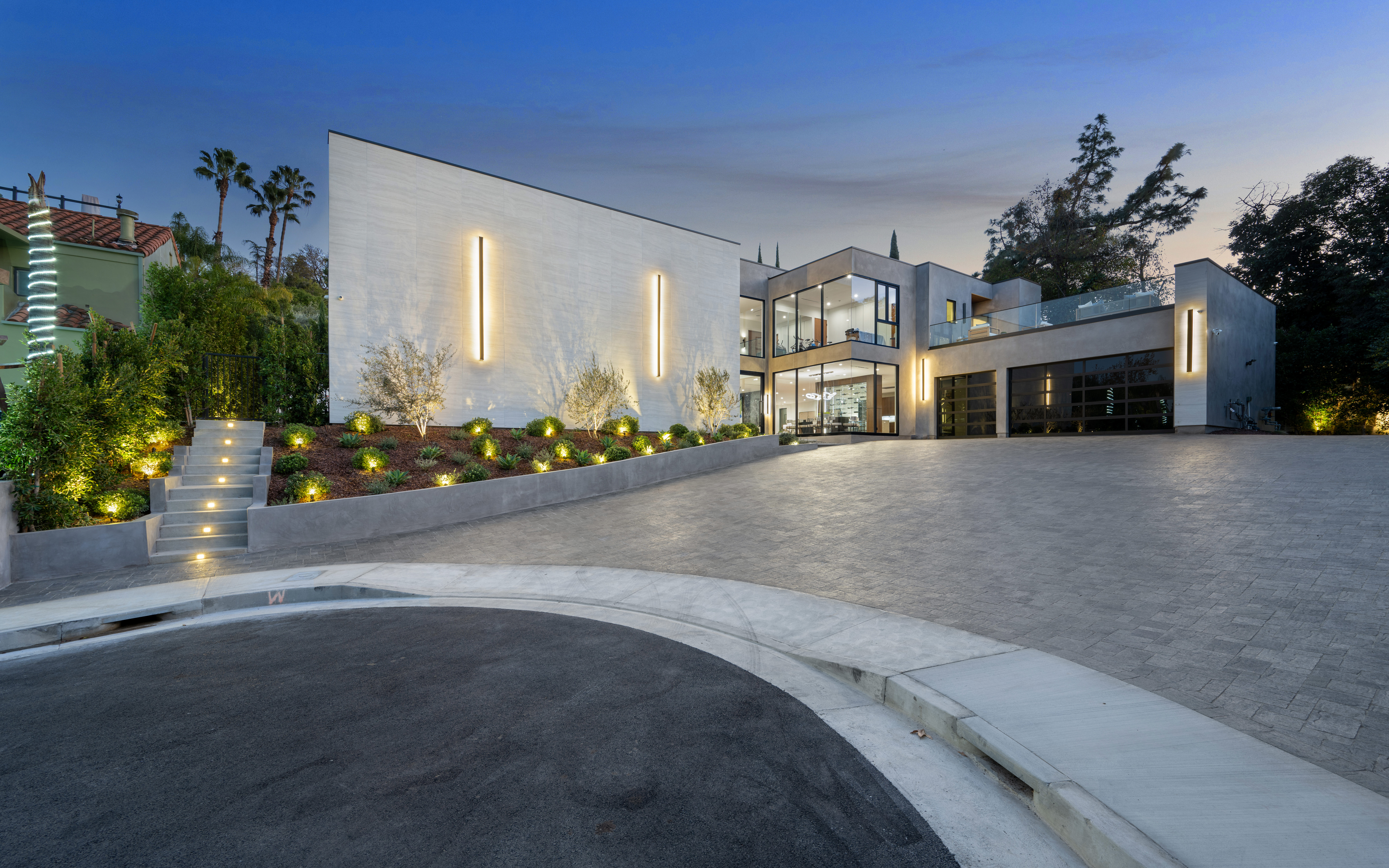
Invisible Resilience: Why the 2026 Luxury Buyer Prioritizes "Hardened" Architecture
The definition of architectural luxury has broken away from pure aesthetics. While previous decades celebrated the most delicate glass structures and expansive, unchecked open air designs, the luxury market in 2026 is driven by a new psychology. High-net-worth buyers are directing their capital toward Invisible Resilience, which is the practice of building a structural fortress that looks and feels like a high-end sanctuary.
In a world experiencing increased grid instability and shifting climate patterns, affluent individuals are no longer interested in fragile design. They are demanding "hardened" estates capable of operating completely off-grid at a moment's notice, all while maintaining the elegant, minimalist finishes of quiet luxury. Here is why structural hardening has become the ultimate priority for the modern luxury buyer.
1. Envelope Hardening: The Hidden Structural Shield
To the untrained eye, a modern luxury estate in 2026 looks like a masterclass in clean lines and organic textures. However, beneath the limestone plaster and warm timber finishes lies industrial-grade engineering.
Buyers are prioritizing homes constructed with ultra-high-performance concrete (UHPC) and moment-resisting steel frames. This type of construction provides the mass necessary to withstand extreme wind pressures and impact without sacrificing the desire for soaring ceilings and grand architectural volumes. The goal is complete structural fortification that blends perfectly into the background, ensuring the home remains unyielding against external forces without looking like a military bunker.
2. Advanced Impact Fenestration
The massive glass walls that define luxury indoor-outdoor living have undergone a major technological evolution. The 2026 buyer looks for advanced laminated impact-resistant glass systems engineered with strong poly-vinyl interlayers.
These windows are no longer just about meeting local hurricane codes, they are designed to manage multi-layered threats. They offer medical-grade acoustic insulation to block out environmental noise, block 99% of UV rays to protect interior art collections, and resist forced entry attempts. By investing in high-performance fenestration, homeowners enjoy panoramic water or canopy views with the absolute peace of mind that their glass perimeter is virtually impenetrable.
3. Micro-Grids and Absolute Energy Autonomy
A true luxury home cannot rely on a vulnerable public power grid. In 2026, the standard backup generator has been replaced by the Autonomous Home Microgrid.
High-end buyers are paying a premium for integrated solar roofs, solar walls, and sophisticated lithium-iron-phosphate battery storage systems. Controlled by predictive AI, these microgrids monitor weather patterns and local utility pricing in real time. If a storm is forecasted or a grid failure occurs, the home transitions to island mode smoothly. The family experiences zero interruption in climate control, security processing, or automation systems, transforming energy independence into a seamless luxury experience.
4. Subterranean and Site-Level Water Defense
Resilience also means controlling the movement of water across a property. Luxury estate design now incorporates engineered site grading, permeable paving, and advanced subterranean storm-drainage networks.
In coastal markets like Florida, foundations are being designed with deep helical piles and elevated utility connections placed safely above projected flood levels. Landscaping is no longer purely decorative, it is deployed as a green defense. Hydro-zoned native plants and engineered retaining barriers are integrated into the garden design to manage heavy rainfall and storm surge effortlessly, keeping the home dry and the surrounding grounds pristine.
5. The Legacy Mindset: Wealth Preservation Through Durability
According to recent 2026 wealth reports, ultra-high-net-worth buyers are shifting away from speculative real estate plays and focusing on long-term legacy investments. They are thinking in terms of decades rather than market cycles, creating a rise in "nest investing."
A hardened home is a protected asset that holds its value, maintains liquidity, and drastically reduces long-term maintenance costs. Furthermore, insurance providers are increasingly linking premium discounts and coverage terms to demonstrable resilience measures. By investing heavily in a hardened structure today, the modern buyer secures a future-proof property that will safely anchor their family’s generational wealth for years to come.
The Bottom Line
In 2026, the ultimate flex is no longer just how a home looks, it is how well the home performs when the unexpected happens. Hardened architecture represents the perfect marriage of human comfort, advanced engineering, and environmental awareness. For the discerning buyer, true peace of mind comes from knowing that behind the elegant facade of their private retreat lies an invisible shield of absolute resilience.